

The Parting Cup: The Art of the Chinese Farewell Banquet
As the autumn holiday concludes and journeys home begin, we explore the ancient tradition of the farewell banquet and the parting cup of baijiu.
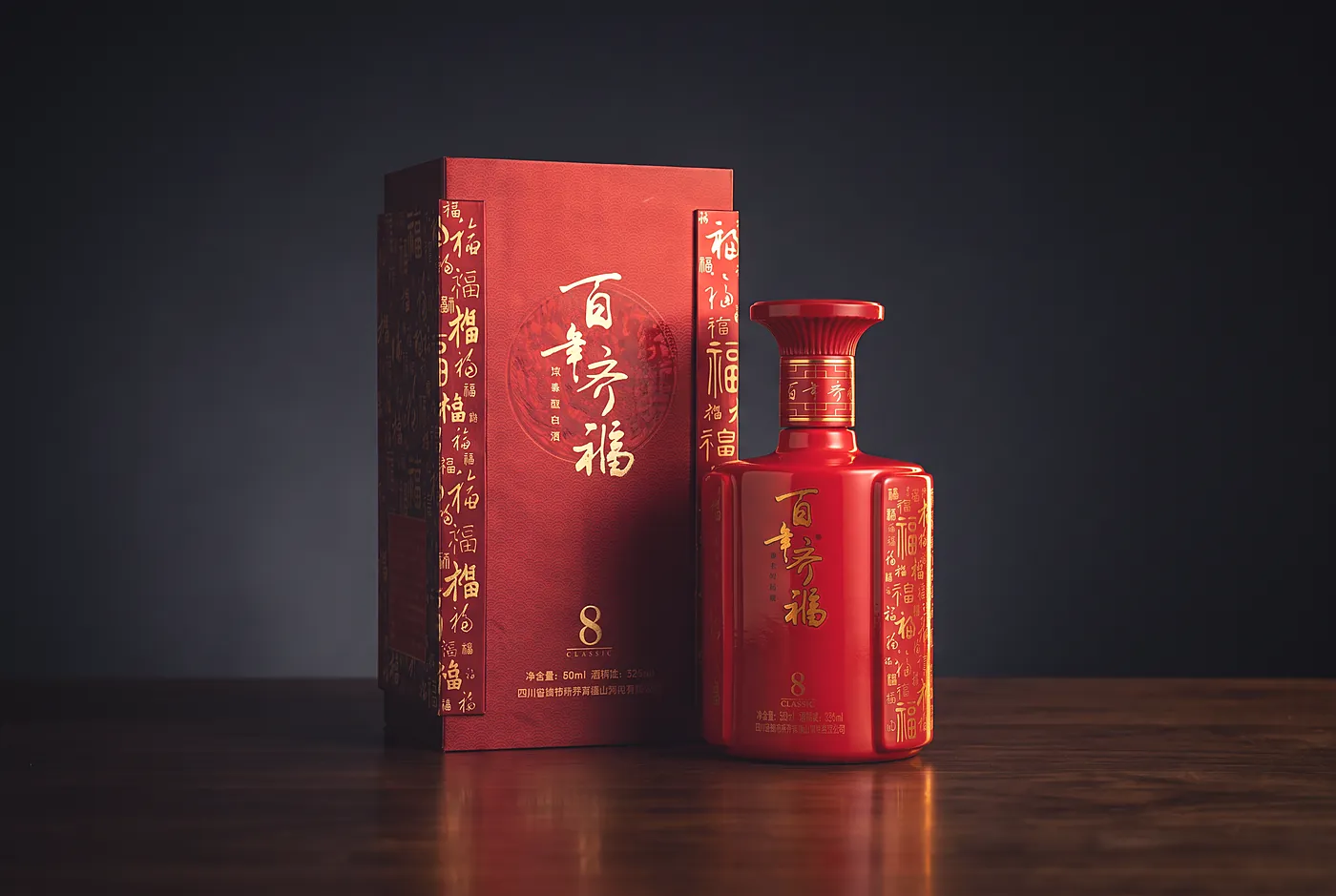
News
Baijiu history, festivals and customs, stories from Mianzhu — and news from Qifu.
As the autumn holiday concludes and journeys home begin, we explore the ancient tradition of the farewell banquet and the parting cup of baijiu.
As the Cold Dew solar term arrives, pairing steaming autumn crabs with complex, strong-aroma baijiu remains a cherished seasonal tradition.
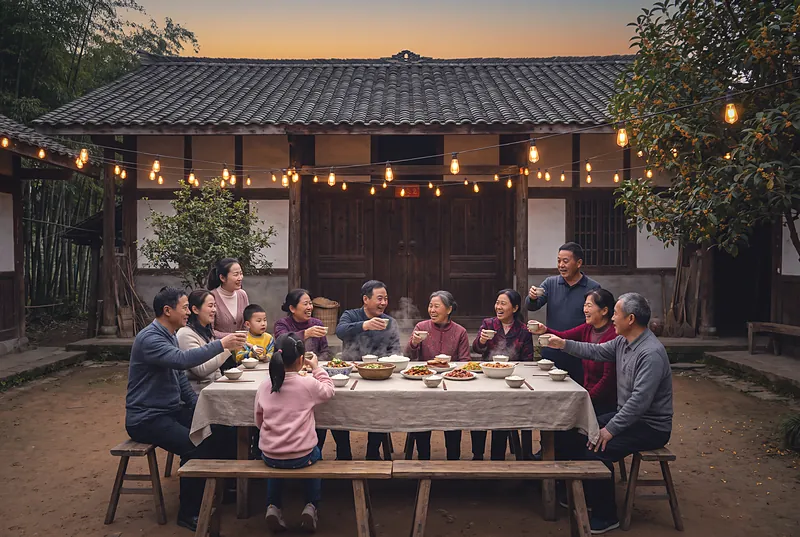
Golden Week means homecomings and courtyard feasts of Sichuan food. The wine plays a supporting role; the people are the point.
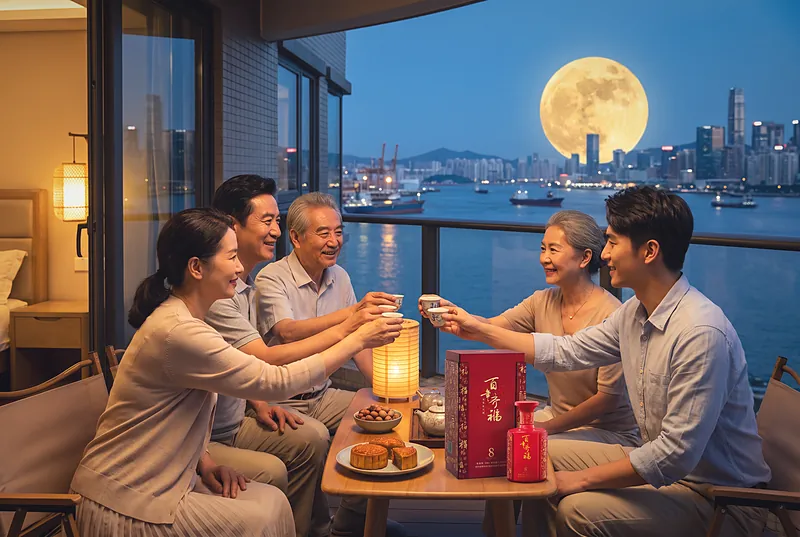
Mid-Autumn falls on 25 September this year. At home or abroad, under the same moon, a small glass for reunion.
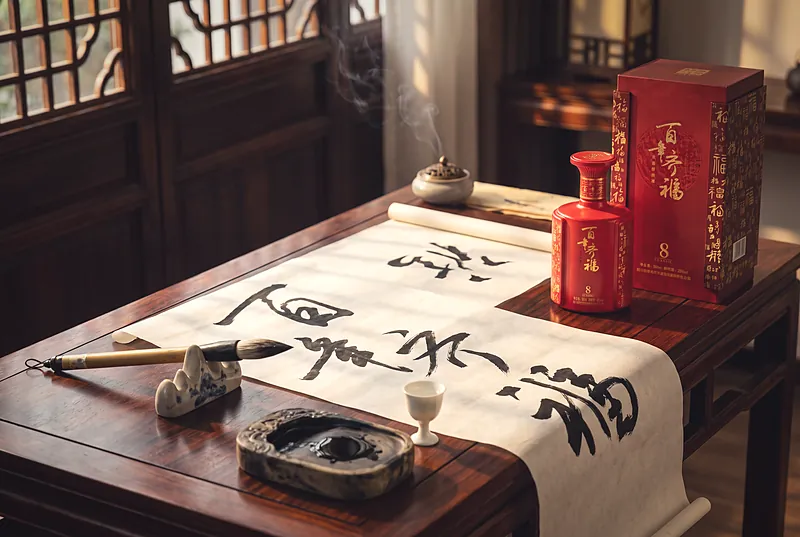
From the wine cups of the Orchid Pavilion to the wild cursive of Zhang Xu and Huaisu, ink and wine share a long history.
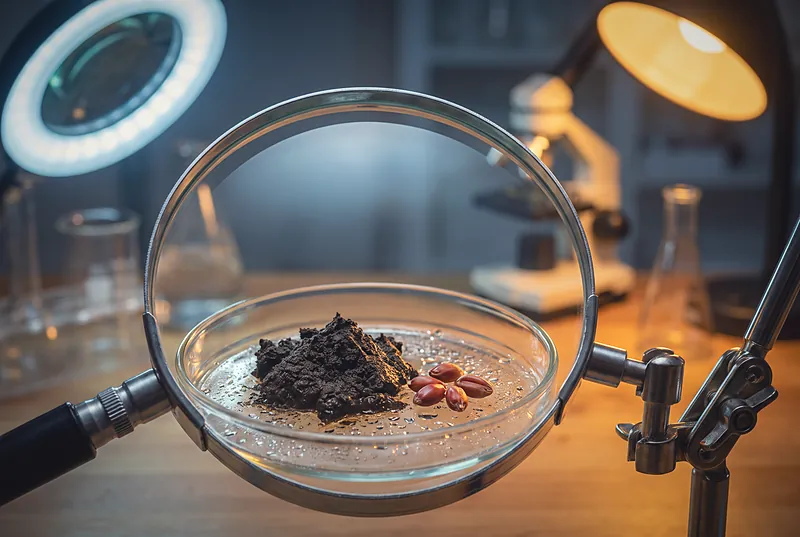
From the starter cake to the old pit, almost every note in strong-aroma baijiu comes from a world too small to see.
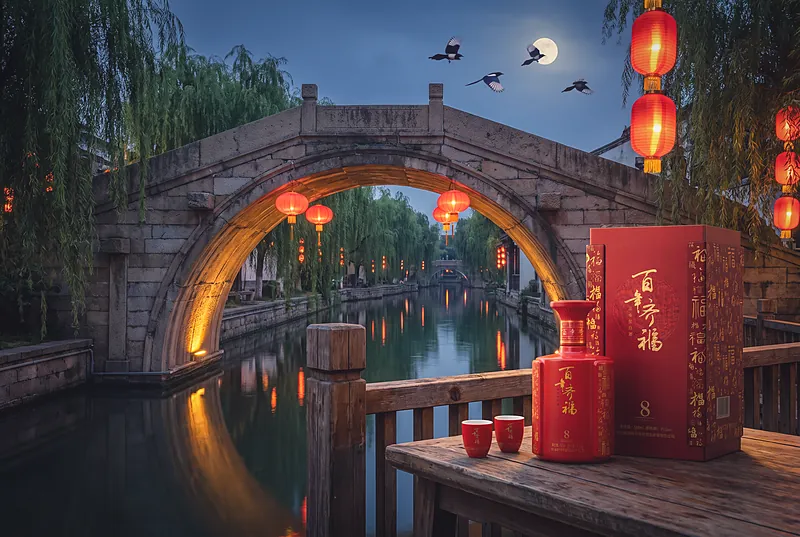
From the Milky Way that parts two lovers to the wine set out on Qixi altars, a cup of wine has long carried affection.
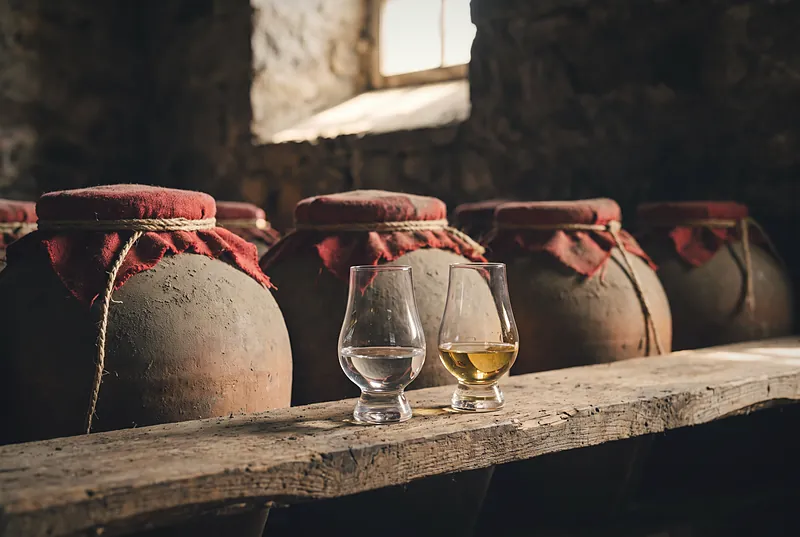
New spirit is fiery; aged spirit is soft. What actually happens inside a clay jar over the years?
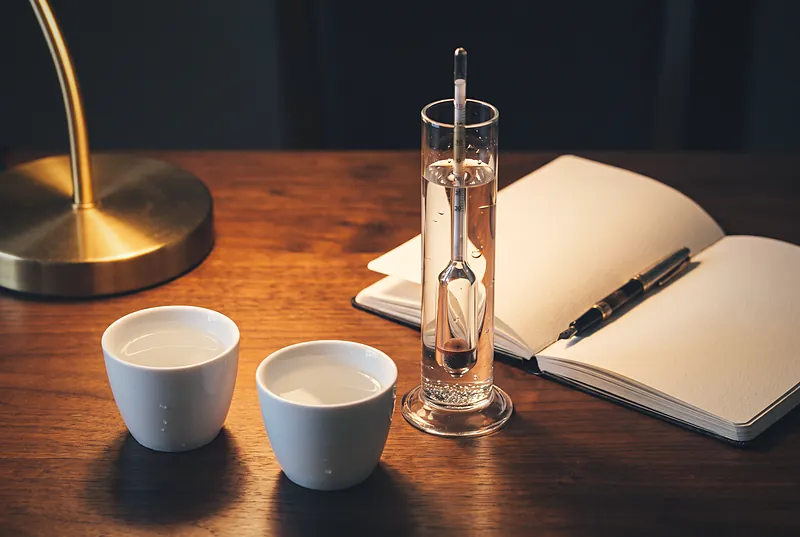
52% and 53% ABV have become the default for full-strength baijiu. The reasons mix physics, flavour and habit.
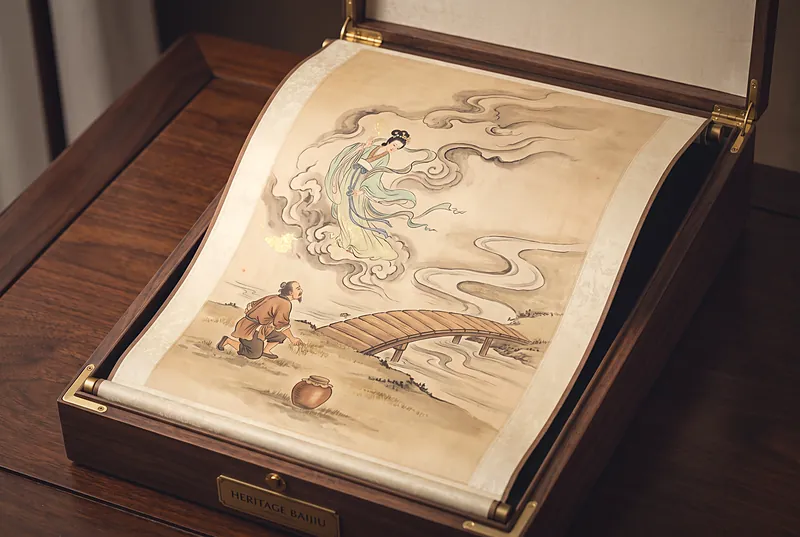
How a village by the Mawei River got its name – a Mianzhu folk legend retold by writer Tan Jinqiang.
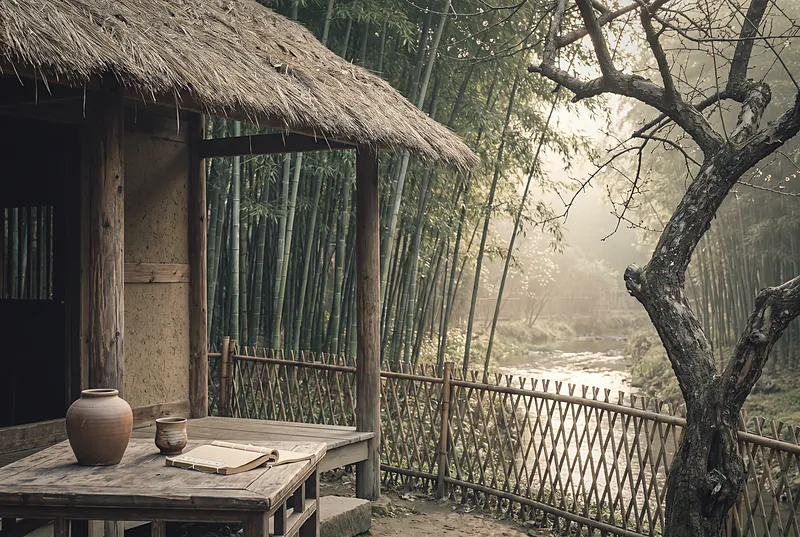
"Shu wine is rich beyond compare." How Du Fu and Li Shangyin poured their affection for Sichuan into a cup of wine.
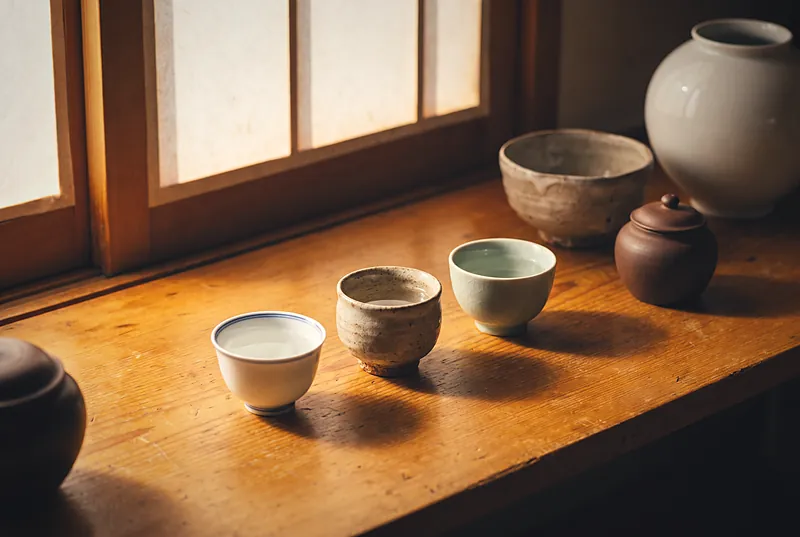
One character, three spirits. How China, Japan and Korea each took distillation in their own direction, from grain to glass.
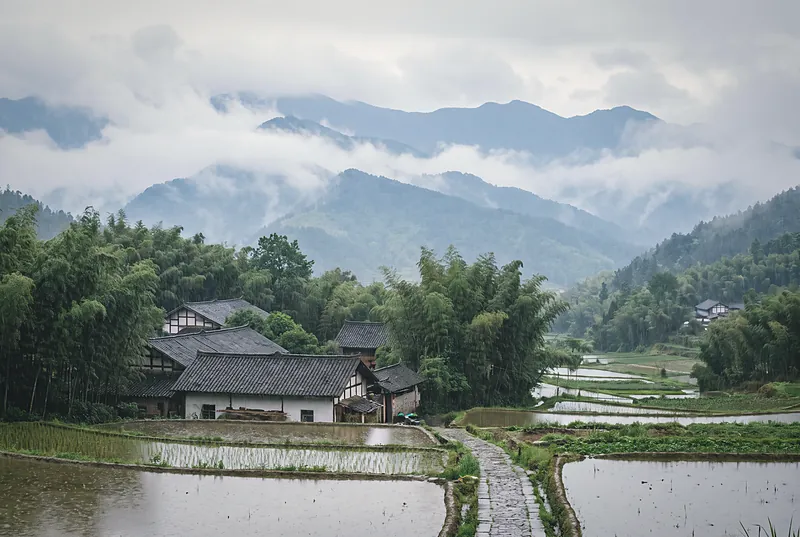
How the rainy belt along the western rim of the Sichuan Basin shapes Mianzhu's water, clay and old fermentation pits.
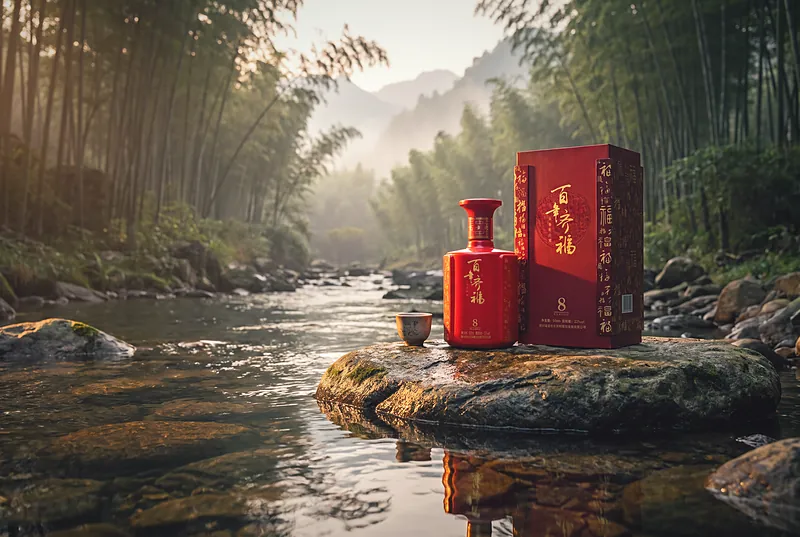
Named for the bamboo along the Mian River, this town at the foot of the Longmen Mountains has lived with water and spirits for two thousand years.
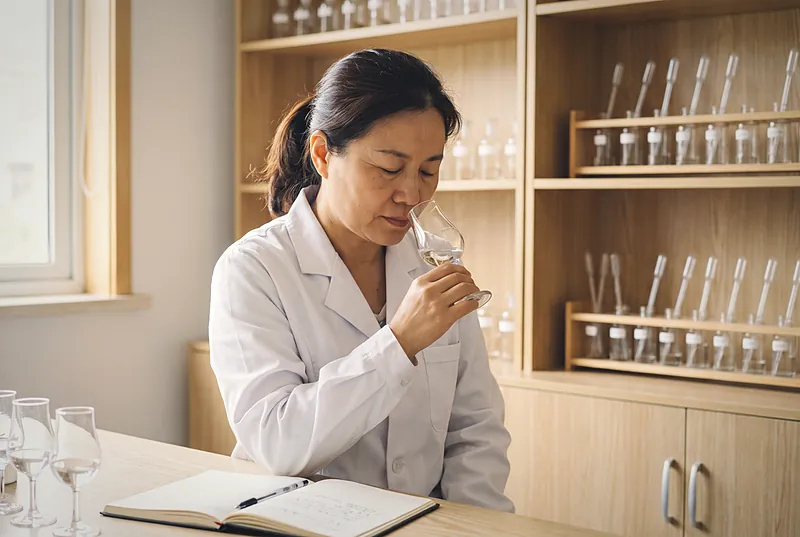
No two pits or batches give the same spirit. The blender uses nose and palate to bring them together into one consistent cup.
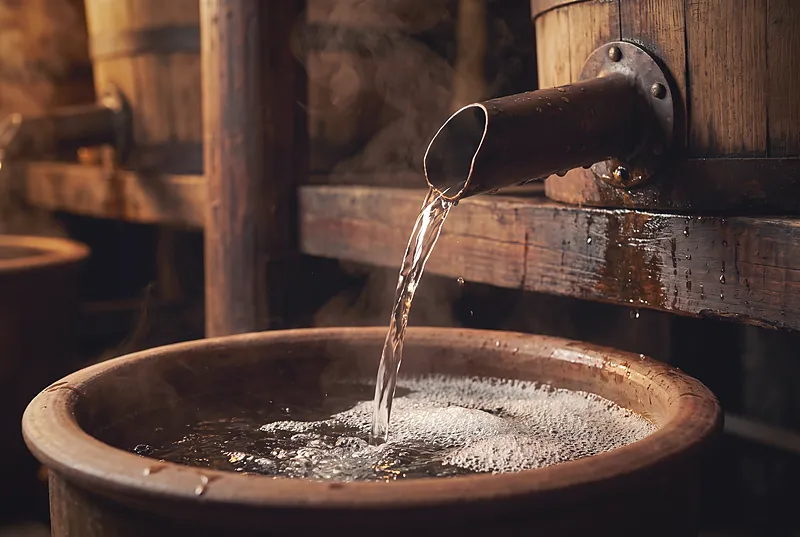
Spirit from the same still changes from the first drop to the last. Watching, tasting and cutting by quality is the distiller's craft.
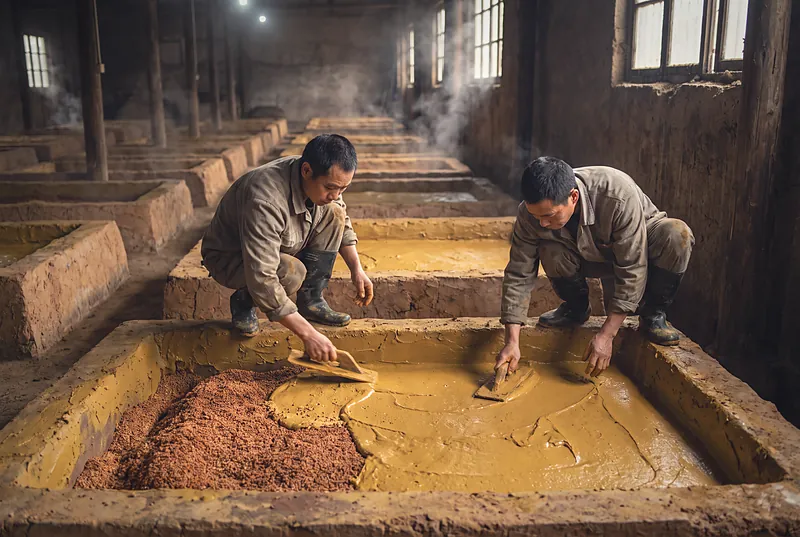
Yellow is the clay of the pit; red is the layer of grain that caps it. Strong-aroma baijiu takes shape slowly between these two colours.
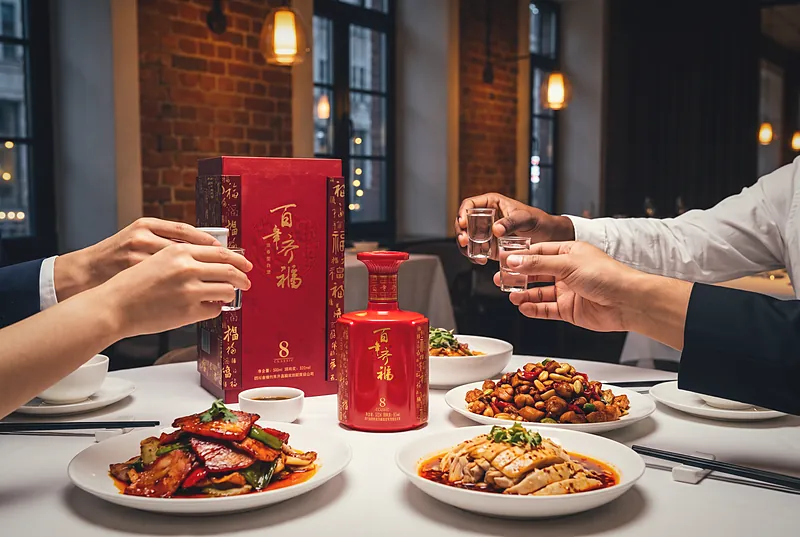
From a famous state banquet to dinners abroad, baijiu is finding its way onto more tables worldwide. Here is how to serve, pair and toast.
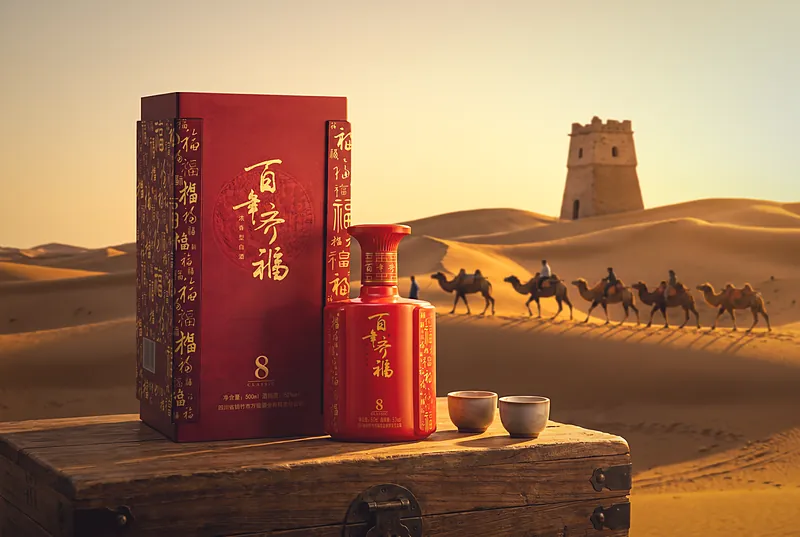
Grapes came east with Zhang Qian and a winemaking method came from Gaochang. Two thousand years on, Chinese baijiu travels west.
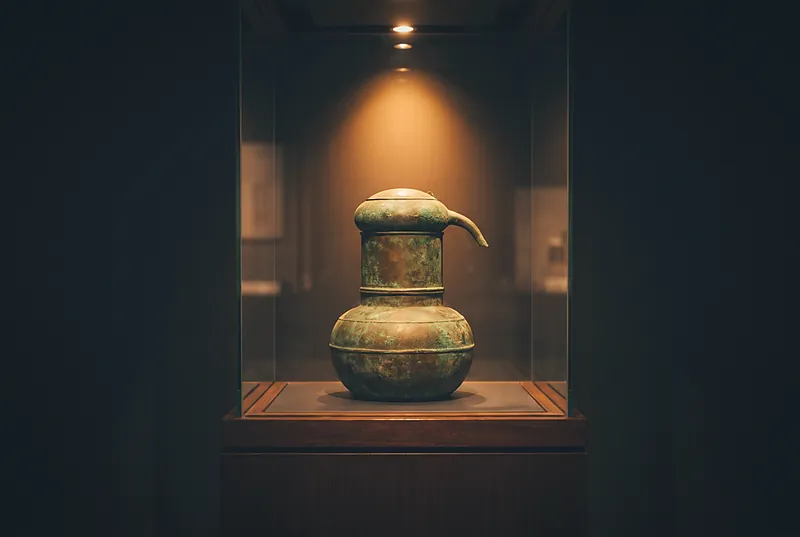
Yuan, Jin, Tang or even Western Han? From Li Shizhen's verdict to a bronze still in a Han tomb, the story of Chinese distillation keeps moving.
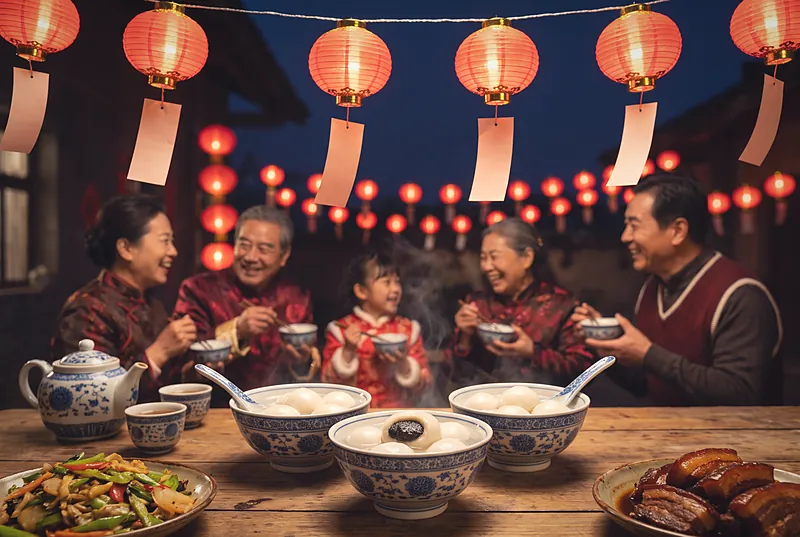
On the fifteenth night of the first month, lanterns glow, riddles hang from strings, and bowls of rice balls bring the family together.
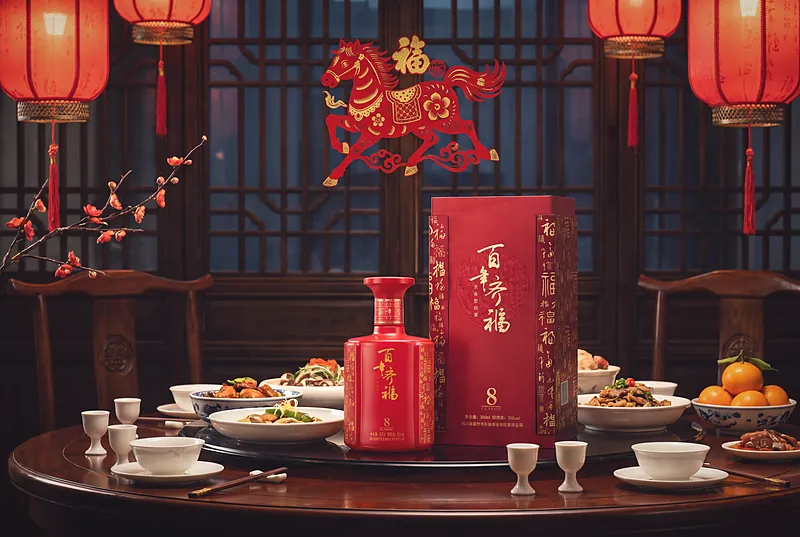
From the Han dynasty's "heavenly horses" to Li Bai's dappled steed, horses and wine have travelled side by side through Chinese history.
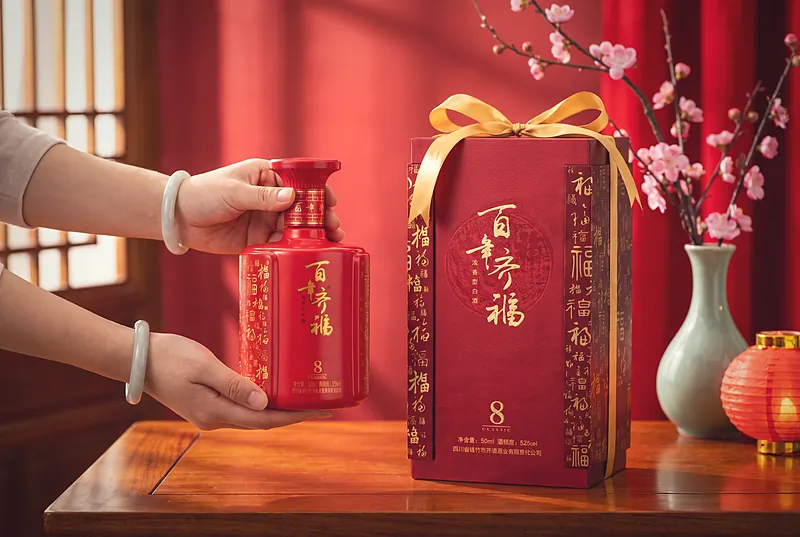
From giving in pairs to handing over with both hands, a look at the old courtesies behind a bottle of baijiu given as a gift.
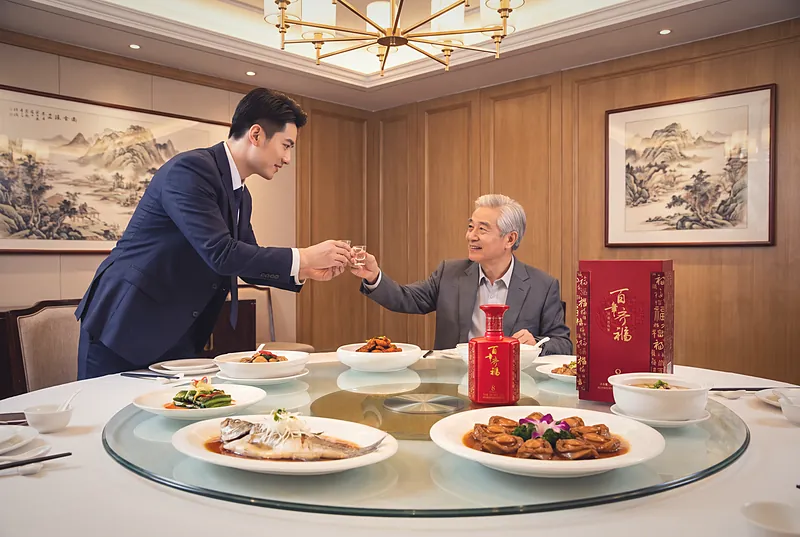
'I'll drink first, as a mark of respect.' From the Book of Rites to modern business dinners, a guide to toasting in China with grace and moderation.
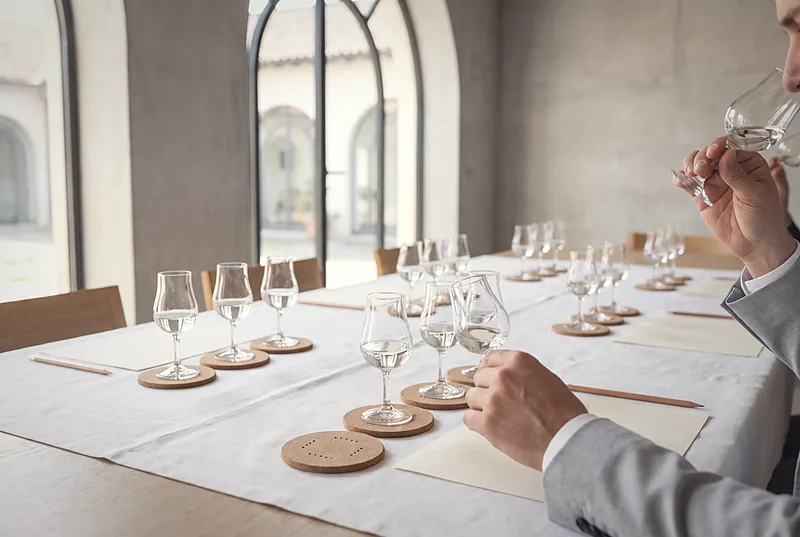
Strong, sauce, light and rice aroma: baijiu's style names are newer than you might think. They date from a national tasting competition held in 1979.
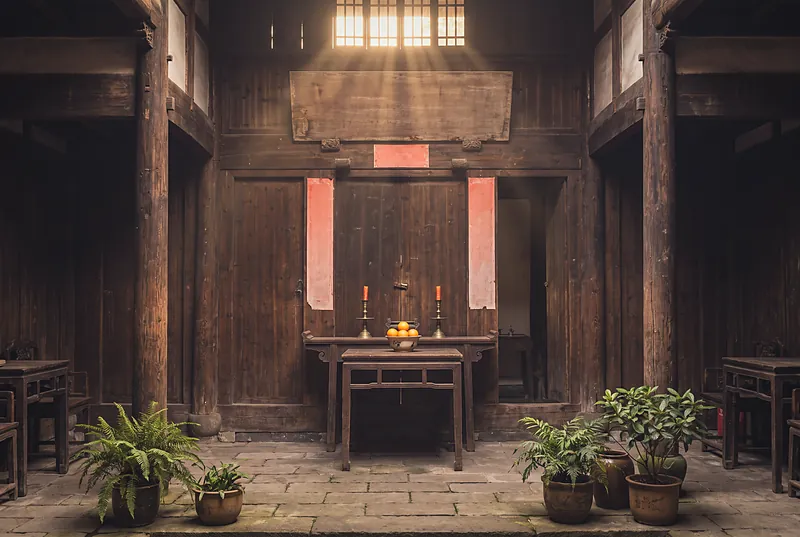
Virtue with enterprise, honesty first, tireless respect for old methods, character above the wine: the four lines a family distillery lives by.
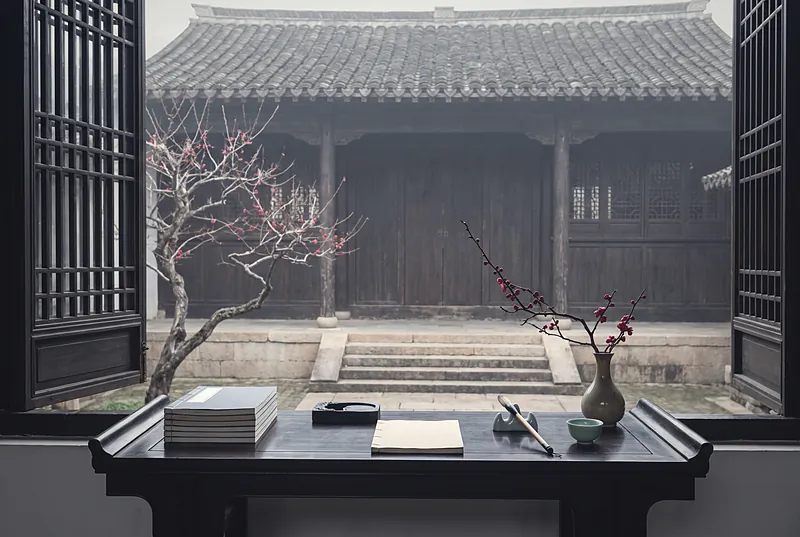
Born in Mianzhu, the Song thinker Zhang Shi ranked with Zhu Xi as one of the 'Three Worthies'. His teaching on right and profit still speaks to family values.
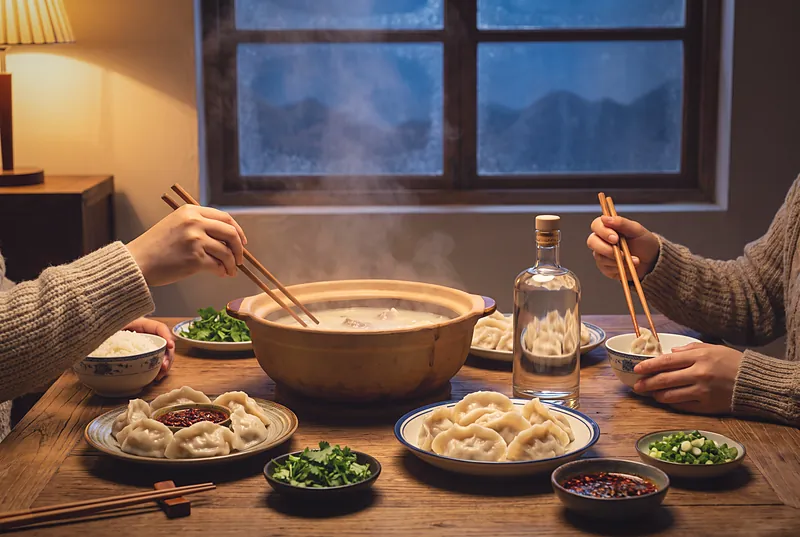
'The Winter Solstice is as big as New Year.' Dumplings, winter wine and steaming lamb soup bring families to one table on the longest night.
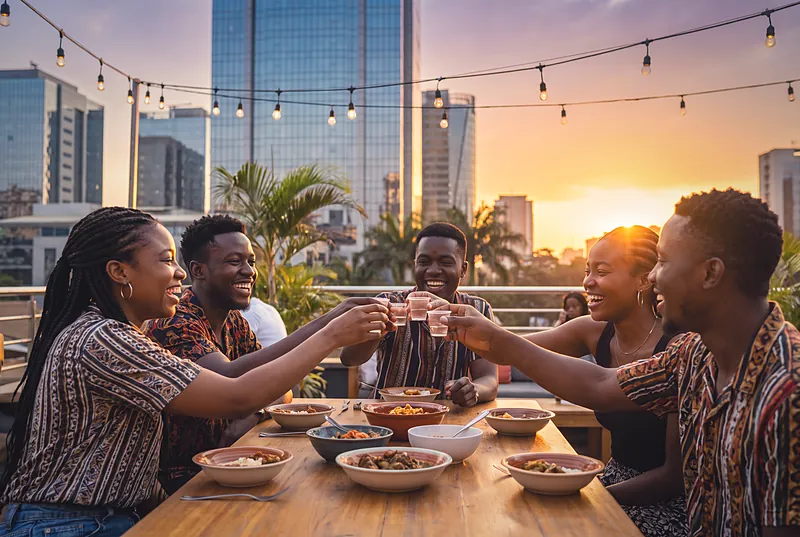
Sorghum began its journey in Africa and became the backbone of baijiu. Now baijiu is travelling back, meeting new friends across Africa and Asia.
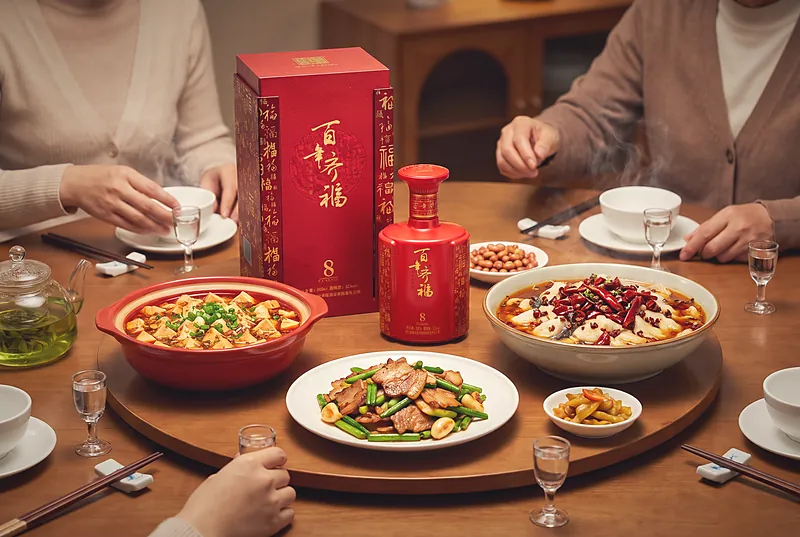
Sichuan cooking is famous for its numbing heat; strong-aroma baijiu for its rich fragrance. How the two meet at the table, and how to pace them.
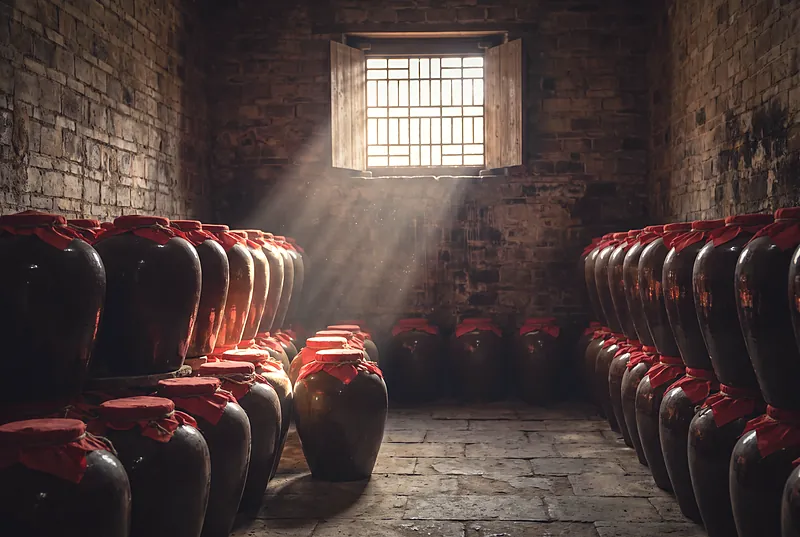
New spirit is fiery; old spirit is mellow. Between the two lie years in a clay jar. Why earthenware has long been baijiu's favourite home.
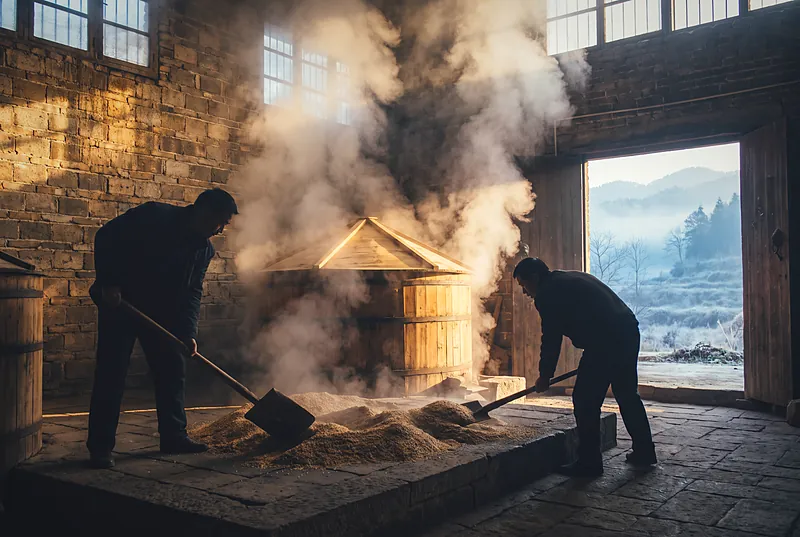
From the Book of Rites to the temperature inside a mud pit: why brewers have long favoured the cool months, and how the seasons shape a strong-aroma baijiu.
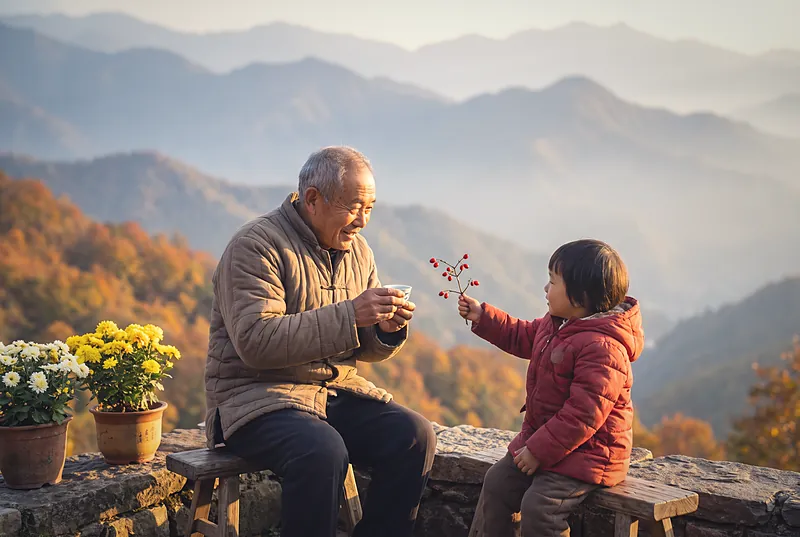
Climbing hills, chrysanthemum wine and honouring elders: how the Double Ninth became China's day for the old, and what to pour for them.
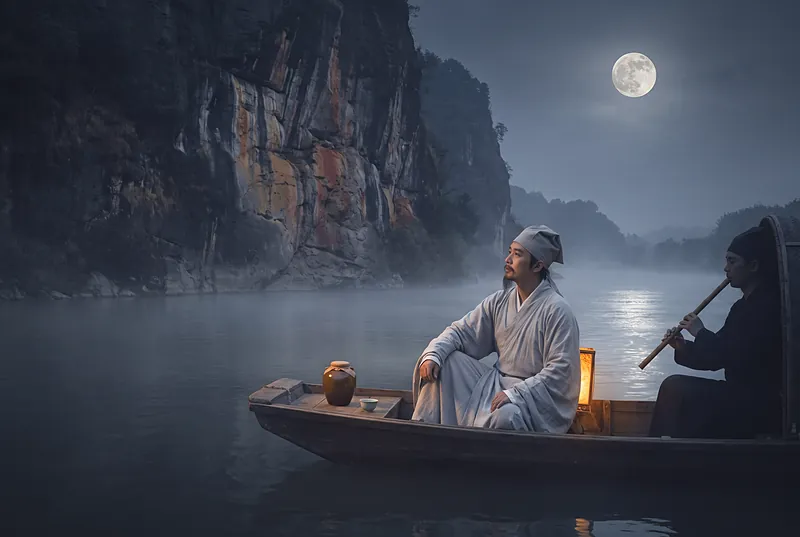
A light drinker who loved watching friends drink, a home brewer of honey wine, a poet raising his cup at Red Cliff: Su Dongpo's lifelong bond with wine.
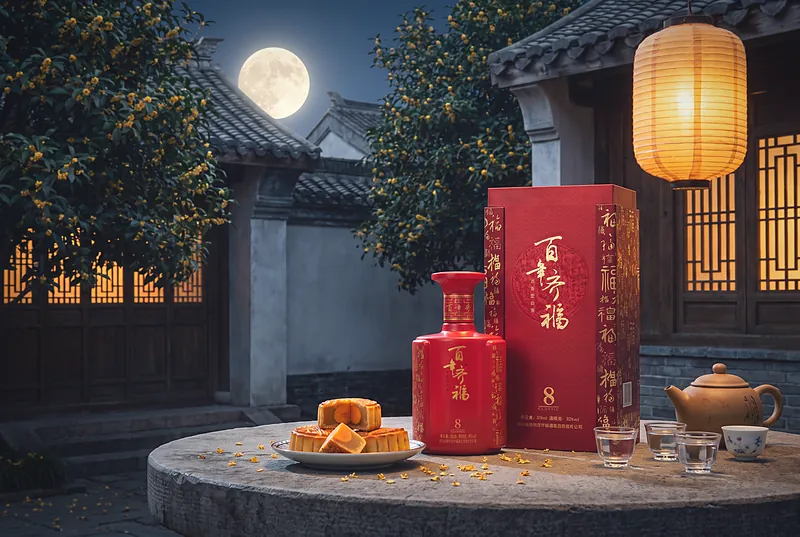
From Li Bai inviting the moon to drink to Su Shi raising his cup to the sky, the Mid-Autumn moon has always come with a cup and a longing.
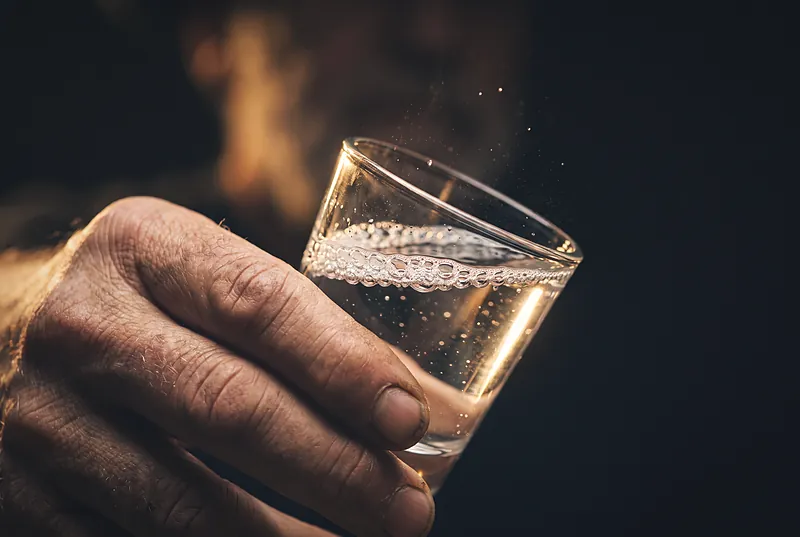
To an old distiller, the tiny bubbles in a shaken spirit are a measuring stick. Reading the bead is a skill passed down at the still.
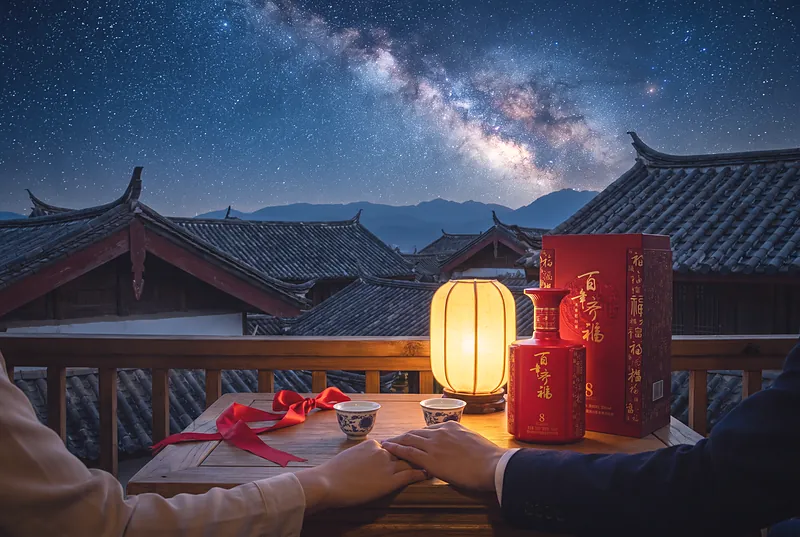
The Cowherd and the Weaver Girl meet once a year across the Milky Way. On Qixi night, a quiet cup for two is an old kind of romance.
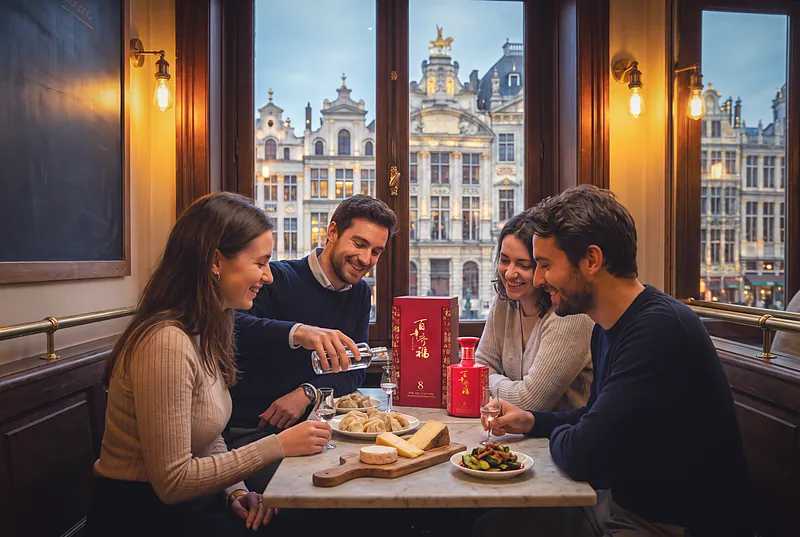
A name, a small glass, a dish and a toast: a gentle way to introduce European friends to baijiu, with Shun Tun and Bainian Qifu · 8.
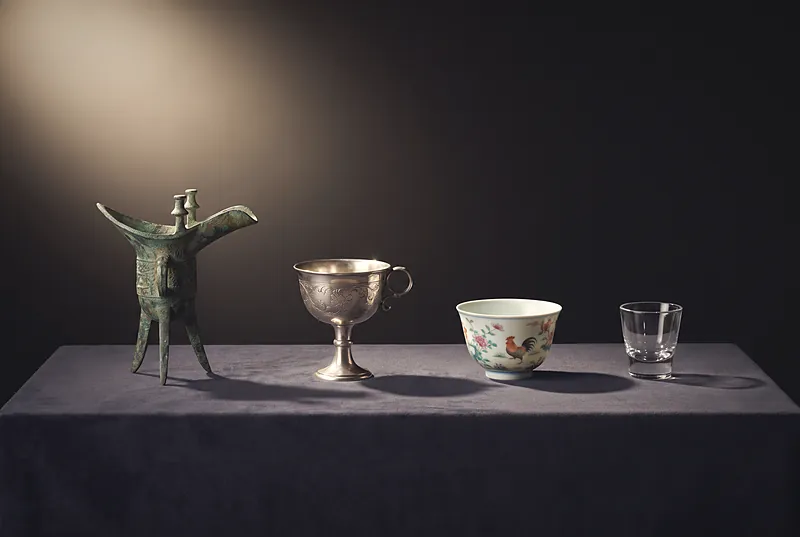
Bronze jue, lacquer ear-cups, Tang silver, Song warming ewers and Ming porcelain: three thousand years of vessels that end in a small cup.
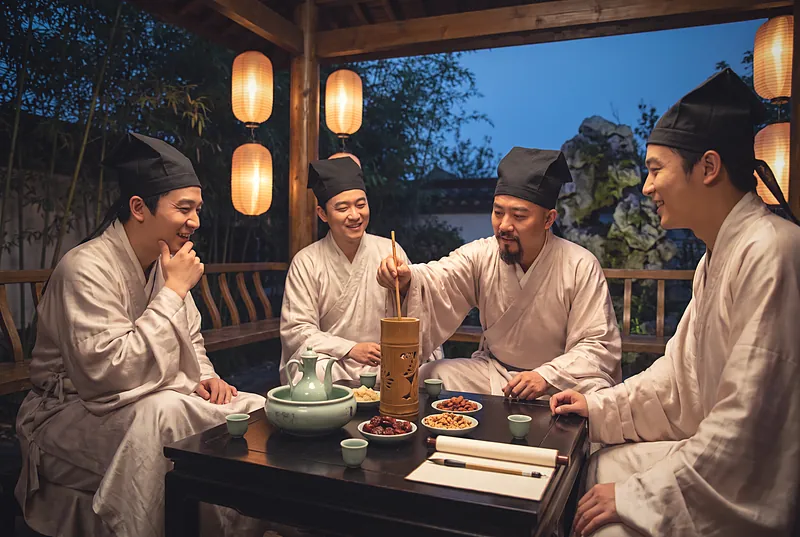
From pitch-pot and floating cups to a Tang silver set of Analects lots, Chinese drinking games turned the banquet into a contest of wit.
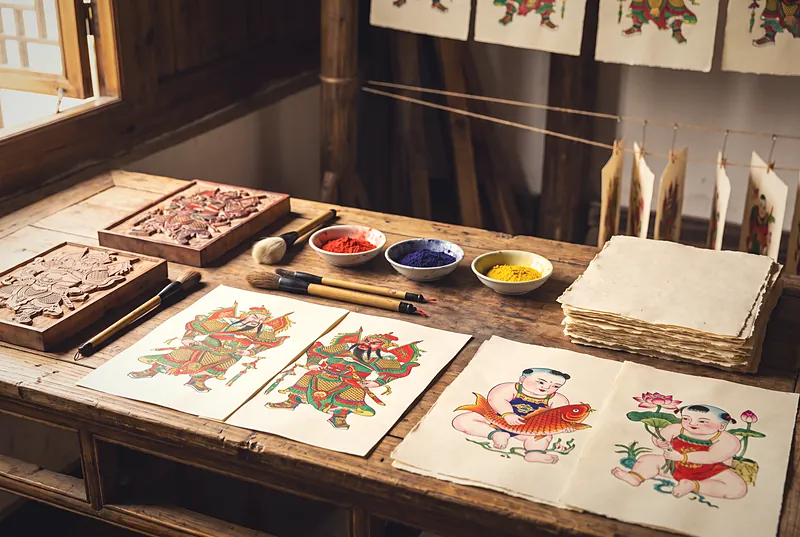
Door gods, blessings and a panoramic spring festival scroll: how Mianzhu's woodblock prints carry the same wish for good fortune as its wine.
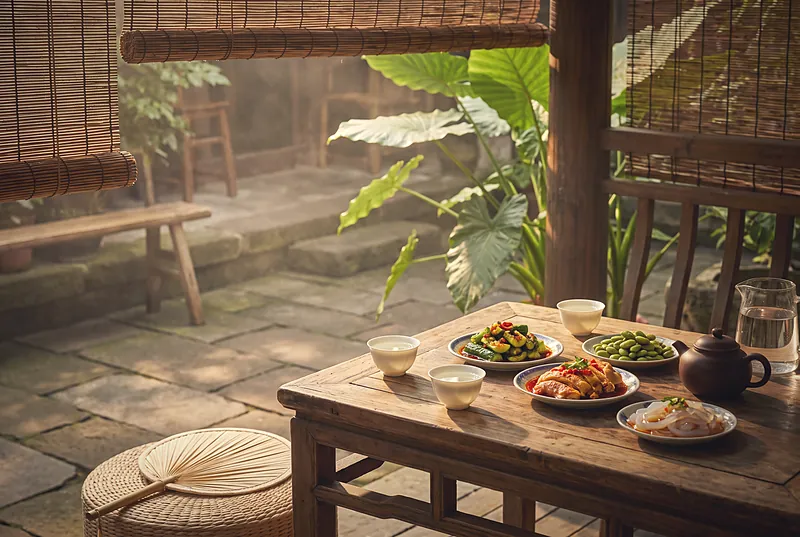
Baijiu in the heat? Keep it cool but not icy, use a small cup, add Sichuan cold dishes, and sip slowly. A summer guide, with a nod to Shun Tun.
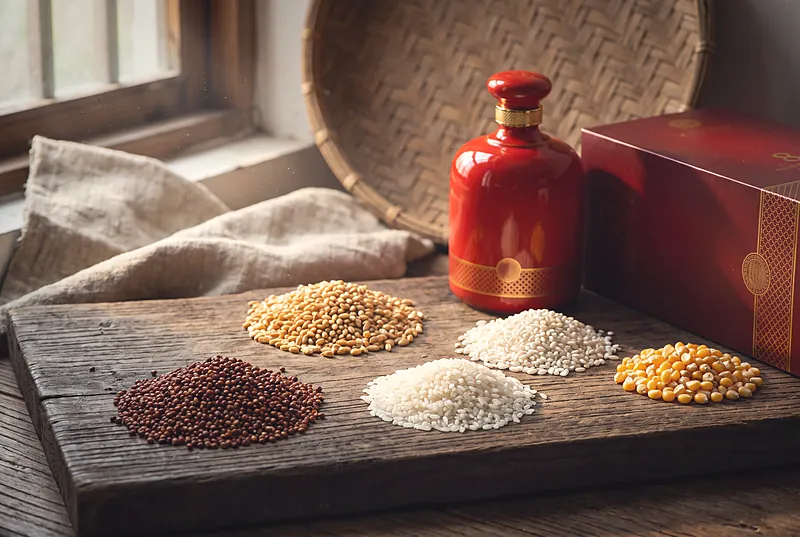
Sorghum for aroma, corn for sweetness, rice for cleanness: an old distillers' saying explains the five grains behind Bainian Qifu · 8.
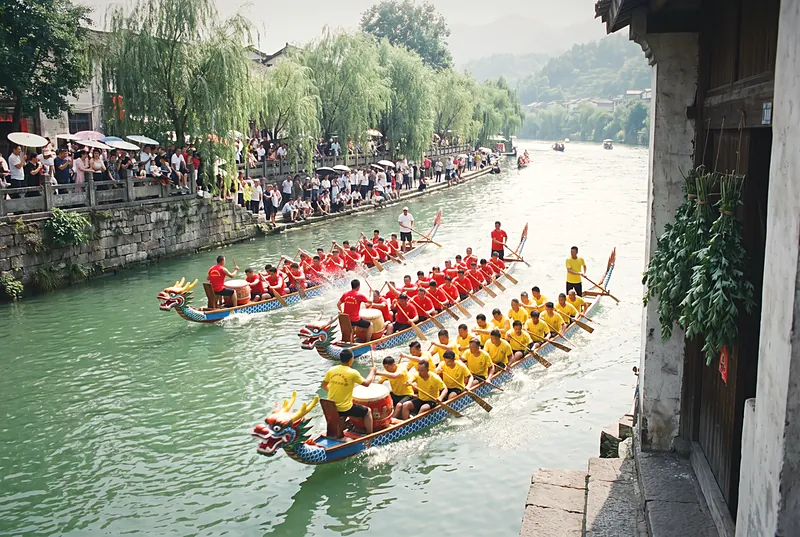
Racing boats, mugwort on the door and calamus in the cup: the Dragon Boat Festival's customs reveal how the ancients greeted early summer.
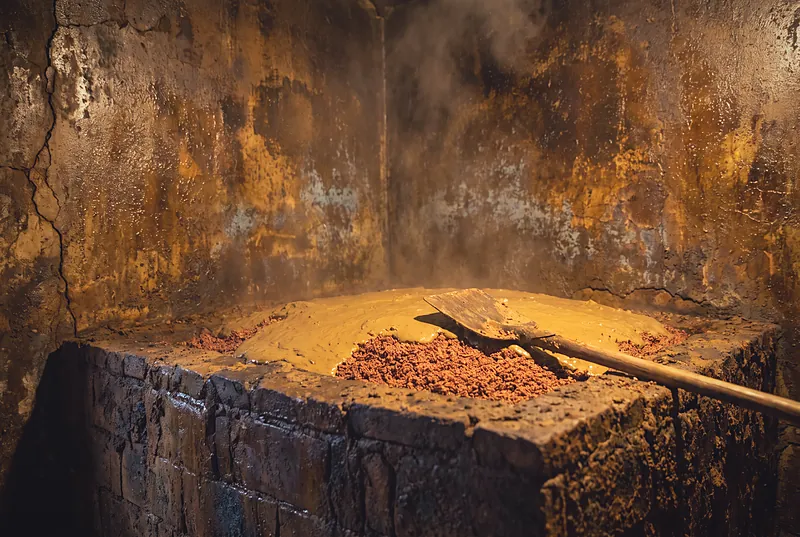
Old pit mud hosts over a thousand kinds of microbes built up year after year. The aroma of strong-aroma baijiu is made by clay and time together.
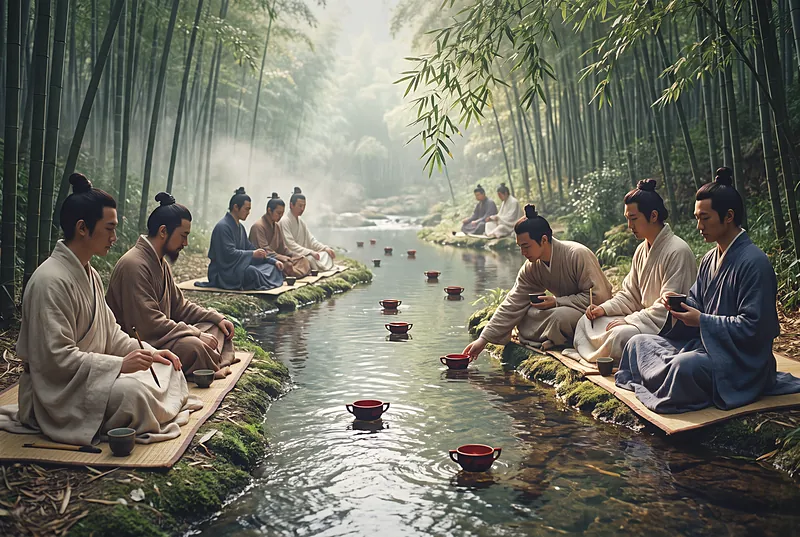
In the spring of 353, forty-odd scholars sat along a winding stream as cups of wine drifted past. The Orchid Pavilion left a model of unhurried drinking.
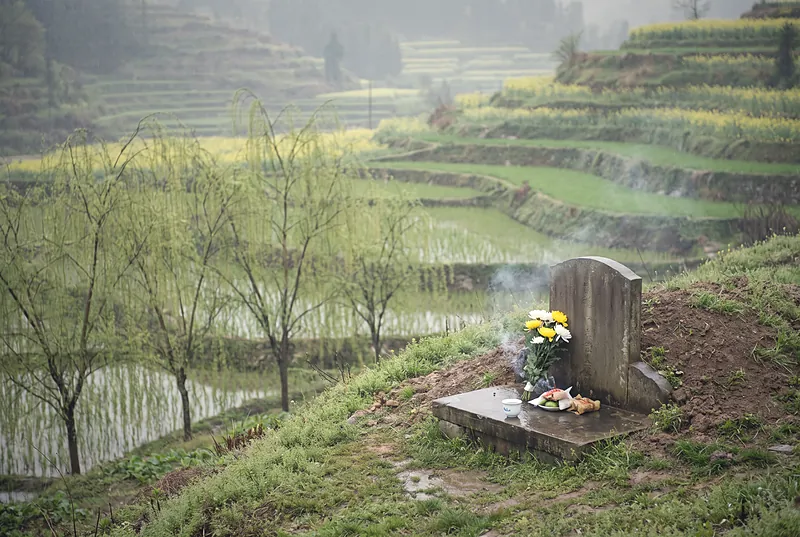
At Qingming families tend the graves and pour a cup for those who came before. Honouring ancestors is also a lesson in how to live.
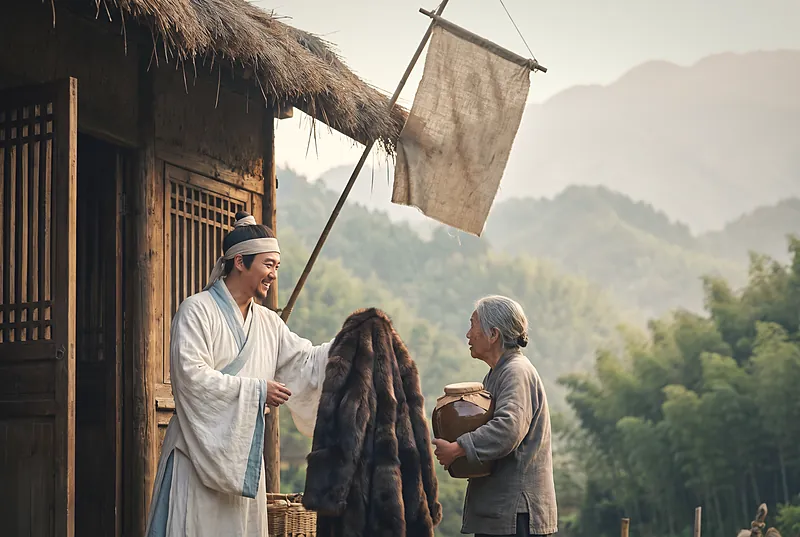
Legend says Li Bai traded his fur coat for wine in Mianzhu. The story cannot be proven, but the poetry is real: horse and furs, all exchanged for fine wine.
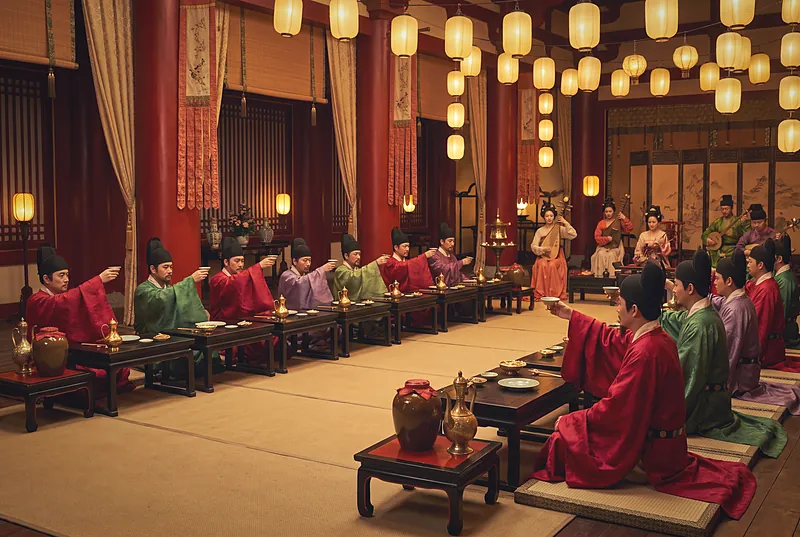
Listed among the great wines of the Tang and recorded as an annual tribute, Jiannan Shaochun is the shared heritage of the whole Mianzhu region.
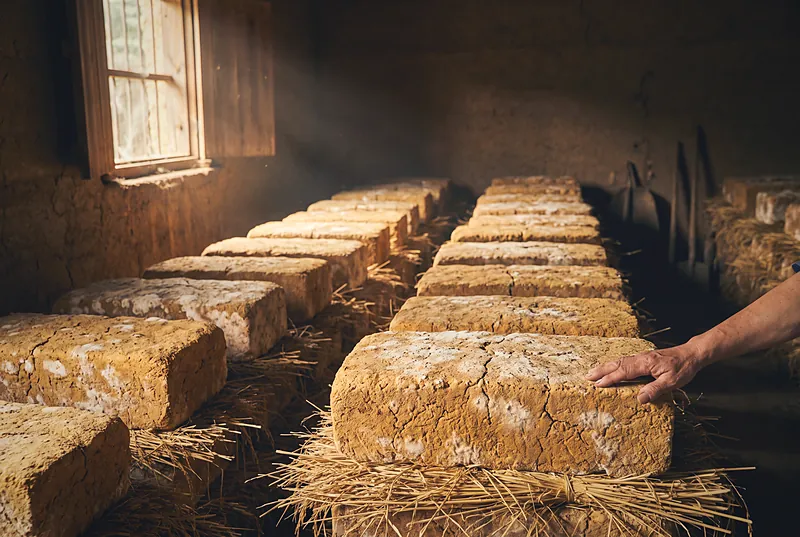
From the Book of Documents to the Qimin Yaoshu, the humble wheat brick called daqu carries the backbone of Chinese baijiu.
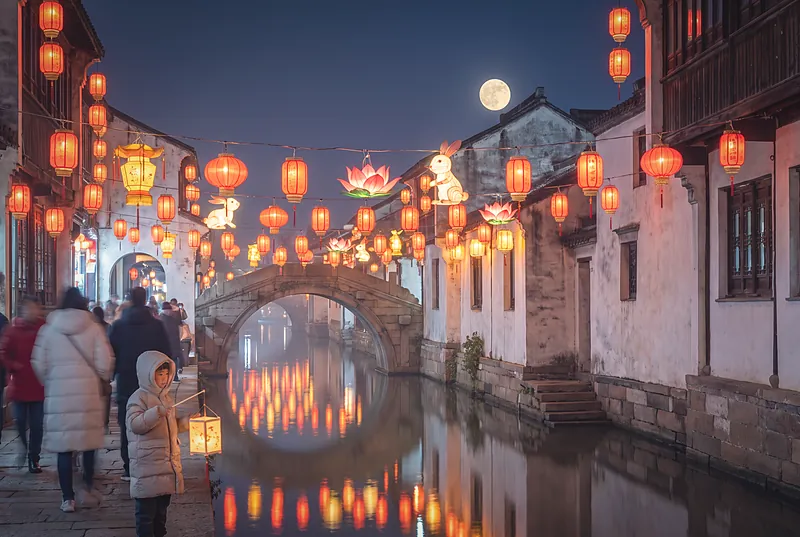
Curfews lifted in Tang Chang'an, lantern hills in Song Kaifeng: on the first full moon, lanterns, dumplings and a family cup close the New Year.
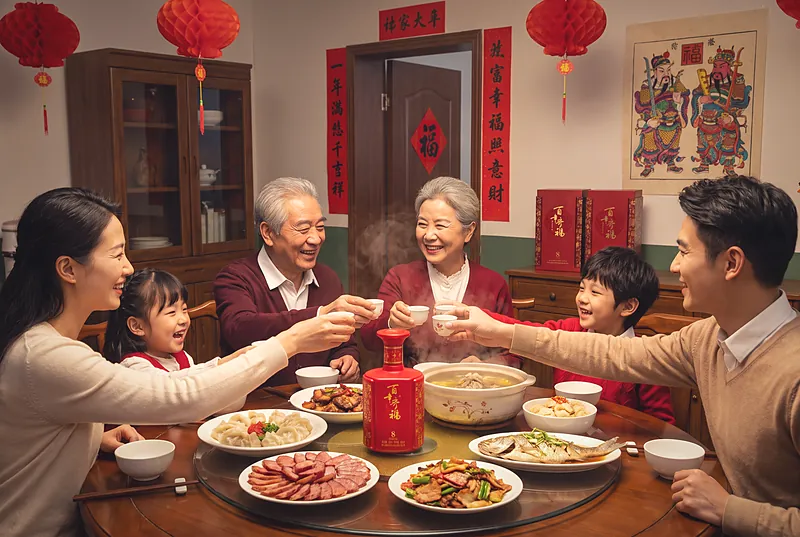
From the old custom of the youngest drinking first to today's toasts to the elders, the bottle on the reunion table carries order, affection and good wishes.
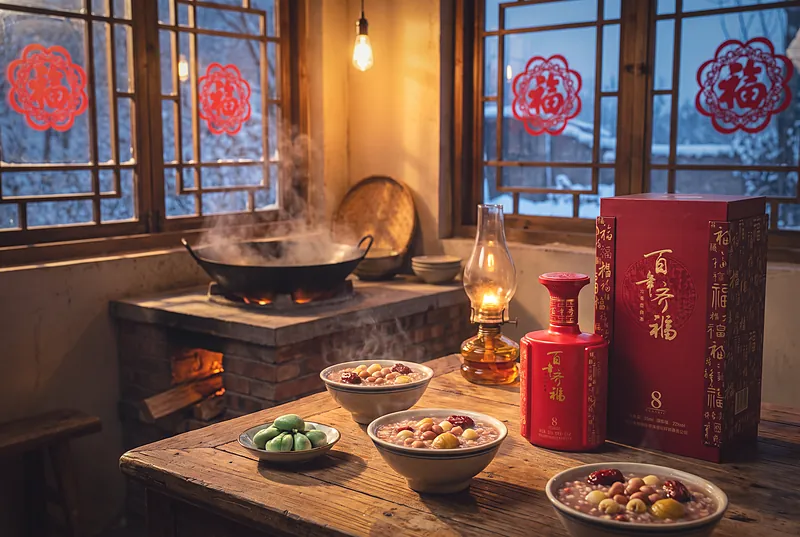
From year-end rites and Laba congee to Lu You's 'winter wine', how the eighth day of the twelfth month became the moment to prepare the new year's wine.
Qifu joined fellow Mianzhu producers in the Deyang–Mianzhu Pavilion to present the region's strength together.
Chairman Ji Mingchang led the Qifu management team at the Deyang–Mianzhu Pavilion, meeting visitors and exploring partnerships.
Welcome to Qifu
Please enjoy responsibly. Entering stores this choice on your device.