
What is learned on paper always feels shallow; to truly know a thing, one must practice it.
— Lu You, Song Dynasty
In the world of traditional craftsmanship—whether firing porcelain, roasting spring tea leaves, or brewing baijiu—the most crucial knowledge is rarely written down. Instead, it relies on an ancient and intimate method of teaching known as kou chuan xin shou: passed by word of mouth, received by the heart.
A Library of the Senses
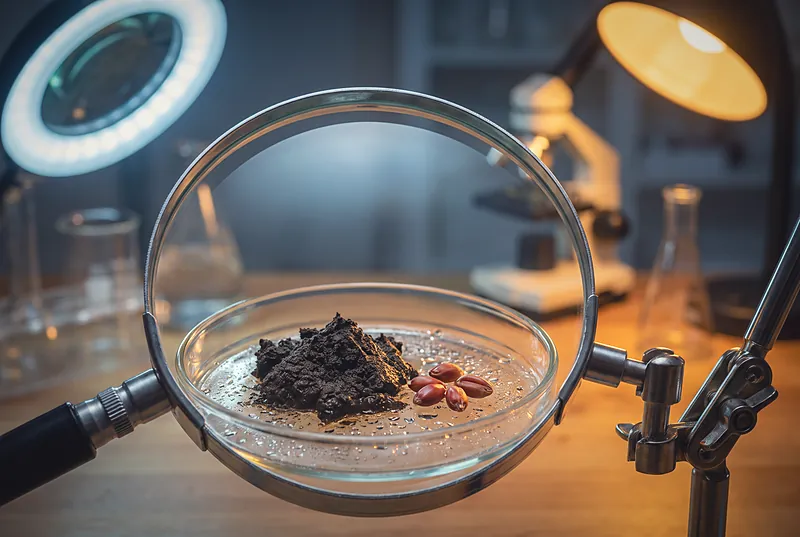
The recipe for baijiu may seem simple—grain, water, and yeast—but the variables of fermentation and distillation are almost infinite. In the spirits workshops of Mianzhu, a seasoned distiller does not rely solely on dials and thermometers. By taking a handful of fermented mash, they can feel if the moisture content is right. By watching the speed and shape of the steam rising from a traditional zeng still, they know exactly how to manage the heat. They can even discern the activity of the microorganisms in the yellow-mud pits just by noting subtle shifts in the sweet, acidic aroma of the cellar air.
This profound sensory memory cannot be acquired by reading a manual. At Qifu, where the family has been crafting spirits in the shadow of the Longmen Mountains since 1978, this knowledge is passed down organically. Generations stand shoulder to shoulder beside the steaming vats. Through daily observation and shared labor, the younger generation gradually builds their own intuitive sense of touch and smell. The Qifu family motto speaks of "ceaselessly striving to learn from ancient methods"; in practice, these ancient methods are kept alive through the warm, human connection of teaching.
Character Before Craft
In traditional Chinese apprenticeships, character is always evaluated before technique. The brewing of strong-aroma baijiu is a slow process that demands profound patience and absolute honesty. From sealing the pits with a cap of red grain to the sixty-day solid-state fermentation, and finally making the precise cuts at the still and aging the spirit in clay jars, every step requires a reverent approach to nature.
A restless mind cannot endure the quiet solitude of the fermentation cellar, but a grounded, honest person can withstand the test of time. This mirrors another line from the Qifu family motto: "Character is higher than the wine." The birth of a fine spirit is, in essence, the physical manifestation of the distiller’s integrity. What the older generation imparts is not merely a set of rules for controlling temperature and humidity, but a philosophy of how to treat the earth, the five grains, and time itself.
Truth in the Glass
All the wisdom passed from hand to hand eventually finds its way into the cup. Consider the Bainian Qifu · 8, a classic five-grain strong-aroma baijiu. Its smooth entry, lingering sweetness, and full pit aroma with a nutty, caramel-like finish are not the products of an automated algorithm. They are the result of decades of accumulated human judgment and the refined palate of the master blender. When poured from its distinctive red porcelain bottle, it represents a living, breathing heritage.
When we open a fine bottle at a banquet and sip in moderation, we are tasting more than the rich terroir of Sichuan. We are savouring the unspoken warmth and human dedication that no recipe could ever capture.