

Hundreds
Water
Hundreds of natural springs fed by glacier melt from the Longmen Mountains — soft, clean and mineral-rich.
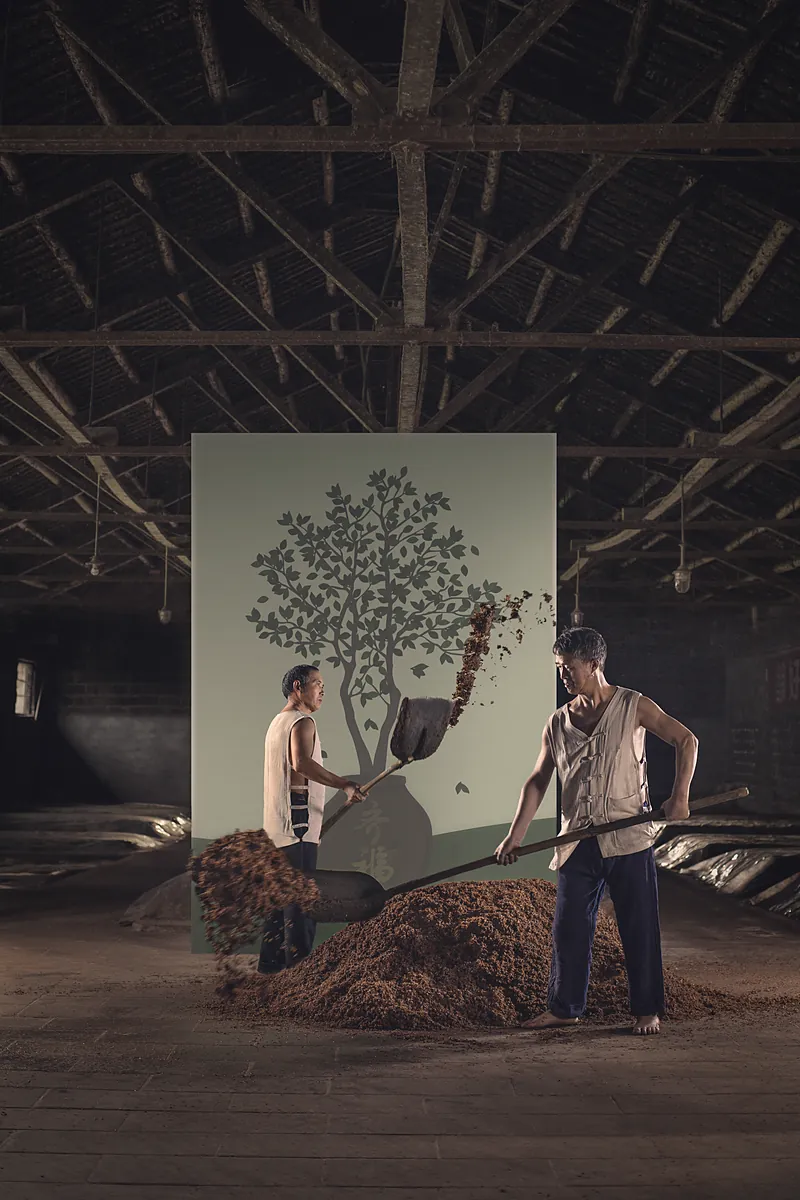
Craft & Terroir
Great baijiu can’t be separated from where it’s made. Ours comes from Mianzhu, and from a method our region has refined for centuries.
Qifu in numbers
The place
Mianzhu sits where the Tibetan Plateau meets the Chengdu Plain, on the “rain screen” of western Sichuan. That position gives the region everything baijiu needs:
Hundreds
Hundreds of natural springs fed by glacier melt from the Longmen Mountains — soft, clean and mineral-rich.
1,200+ mm
Mild, humid and often misty, with over 1,200 mm of rain a year — ideal for the microbes that drive fermentation.
Acidic · sticky
Sticky, slightly acidic yellow clay, perfect for building and “feeding” fermentation pits.
1,000+ species
Long-used pits in the region host over a thousand species of microorganisms, built up year after year.
In 2019 the China Alcoholic Drinks Association named Mianzhu a World Fine Spirits Characteristic Region.
A long history
Archaeologists find brewing relics in Mianzhu dating to the Han dynasty.
“Jiannan Shaochun” is listed among the empire’s finest wines, and records of 779 AD note spring wine sent from Jiannan as annual tribute. Legend says Li Bai traded his fur coat for a drink.
The Neo-Confucian scholar Zhang Shi (Nanxuan) is born in Mianzhu.
Our family takes over the distillery and carries on the Nongxiang method.
Sichuan Mianzhu Qifu Distillery Co., Ltd. is formally registered.
Named a Nongxiang Demonstration Base.
Mianzhu is named a World Fine Spirits Characteristic Region.
Qifu exhibits in the Deyang–Mianzhu Pavilion at the 110th China Food & Drinks Fair.
Qifu is enjoyed on three continents: Europe, Africa and Asia.
Jiannan Shaochun is the heritage of the Mianzhu region. Qifu is proud to be part of this regional tradition.
How we make it
Strong aroma is China’s most popular baijiu style: rich pit aroma, soft sweetness, and a long, clean finish.
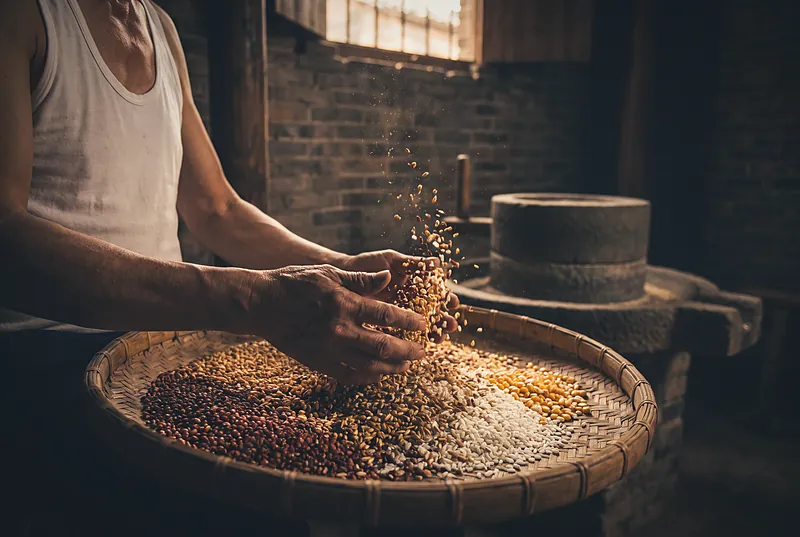 5 grains
A multi-grain recipe, cleaned and crushed.
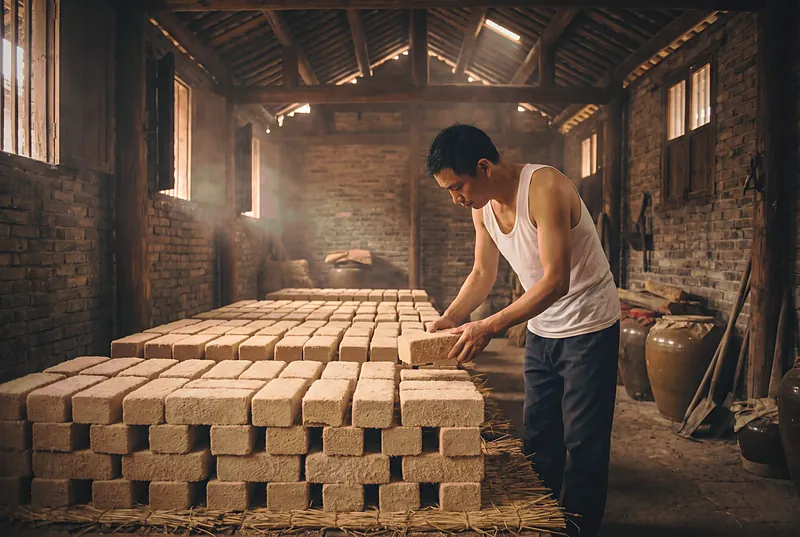 Wheat Daqu
Wheat-based Daqu brings the wild yeasts and enzymes.
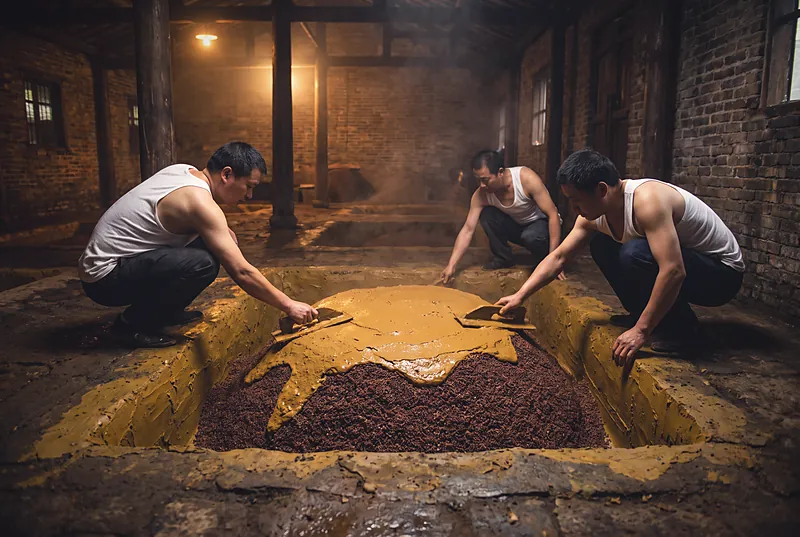 ~60 days
Grain is sealed in yellow-mud pits under a cap of red grain and left for about two months.
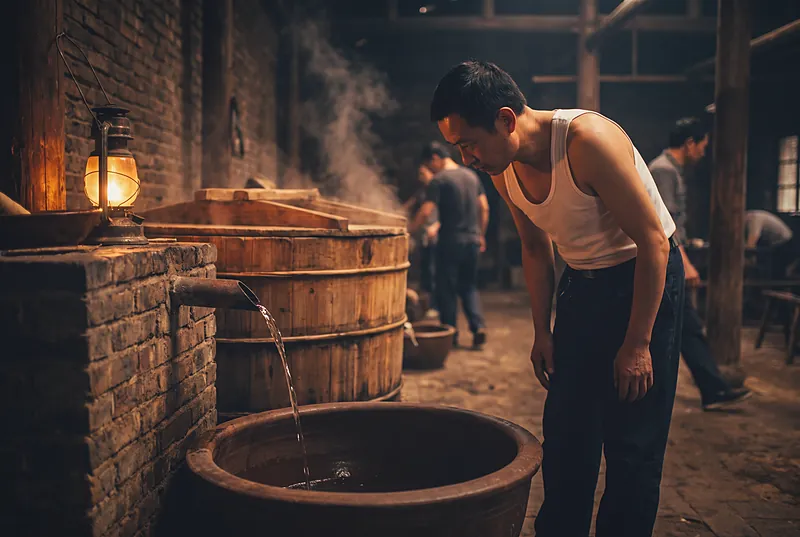 Heart cut
Fermented grain is steamed in traditional stills; only the best part of each run is kept.
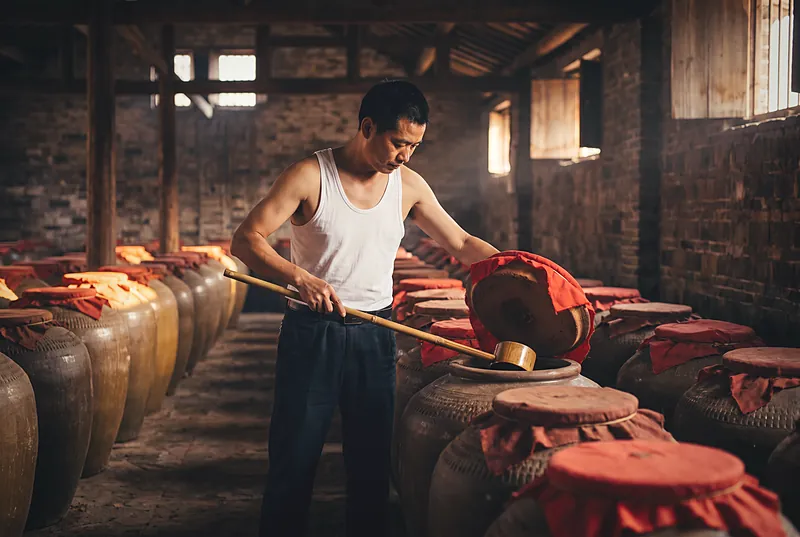 Since 1978
New spirit rests in clay jars; our oldest reserves are as old as the distillery itself.
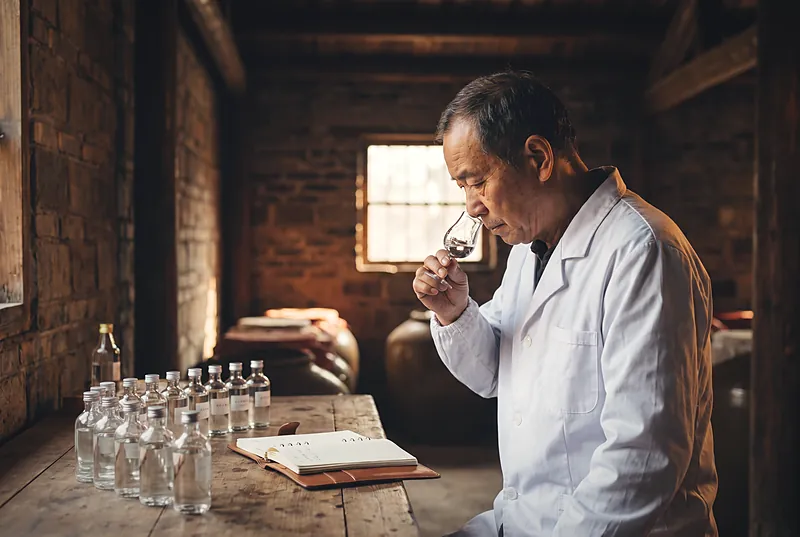 52% vol
Our master blender combines batches for balance and consistency.
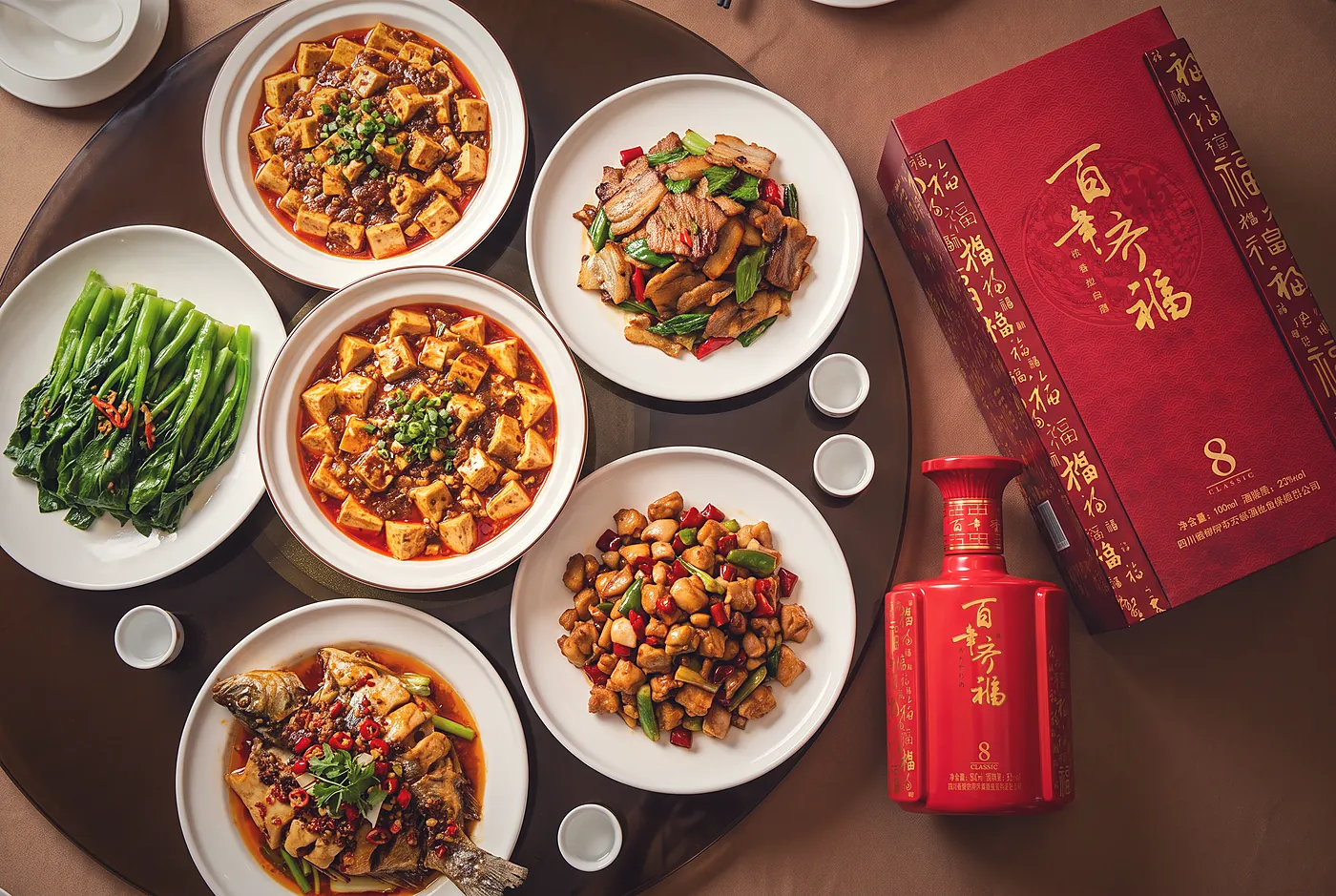
How to enjoy
Welcome to Qifu
Please enjoy responsibly. Entering stores this choice on your device.